Purplemoon Monthly Musings – August- How Silence Can Restore Wellbeing

Purplemoon Monthly Musing

Posted 27th August 2026

Stop. Breathe. Reflect. How Silence Can Restore Wellbeing

Welcome to Purplemoon Monthly Musings.

On the final Wednesday of every month Jenny will be posting out about a theme that has been appearing in her work, or her life, across all sectors. It could be a topic that particularly resonates with you, or it might be a new concept or idea to you. Either way the aim is to give voice to some thoughts, ponder some questions and explore what this might mean to us as individuals and as a community. Jenny will always aim to credit original sources as she explores the musings title and will welcome your comments and contributions to keep the musing going! This blog is also published on LinkedIn. Follow Jenny here.

Welcome to the August monthly musing, published as most of us in England head back into schools

As summer begins to draw to a close and the new academic year waits just around the corner, many educators will be experiencing familiar feelings. There may be excitement and anticipation, alongside the inevitable planning, preparation and mental to-do lists that accompany a return to school.

For some, the summer break may have felt far too short. For others, it may have provided opportunities to rest, recharge and reconnect with parts of life that often take a back seat during the busy school year.
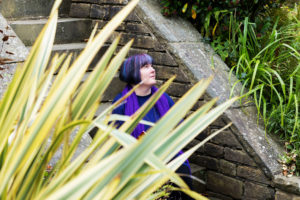
As I reflect on the months gone by, one thing has become increasingly important to me:

Silence.

Not emptiness. Not loneliness. Not inactivity.

But intentional moments of quiet that allow us to stop, breathe and reconnect with ourselves.

In education, so much of our day is filled with noise. Conversations, questions, meetings, bells, emails, phones, corridors bustling with activity, and the constant responsibility of responding to the needs of others. It is a profession founded on relationships and communication, but that also means periods of true quiet can be surprisingly rare.

Dr Saundra Dalton-Smith, in her work on the seven types of rest, identifies sensory rest as one of the essential forms of restoration. Sensory rest provides relief from the constant stimulation of modern life. It allows our nervous systems an opportunity to settle and recover from the relentless demands placed upon our senses.

As educators, we often think about rest in terms of holidays, evenings or sleep. But sensory rest reminds us that sometimes what we need most is not necessarily more sleep, but less stimulation:

Less input. Less noise. More space.

Over the last six months, I have become much more intentional about creating periods of silence in my own life. Not because I wanted to achieve anything in particular, but because I recognised a growing need to turn my attention inwards rather than constantly outwards.

What I discovered surprised me: Those quieter moments became deeply restorative, helping me to replenish energy that I didn’t fully realise had been depleted. They also did something else. They created space for creativity.

Without the constant stream of information, opinions, notifications and distractions, small sparks of new ideas began to emerge. Thoughts were able to develop. Reflections became clearer. Solutions that had previously felt elusive seemed to arrive more naturally. It reminded me that creativity doesn’t always arrive through doing more. Sometimes it arrives when we finally become still enough to hear it.

As a new academic year begins, I find myself wanting to hold on to this lesson. Not just for weekends and holidays, but during the working week itself. Because while silence can feel like a luxury in education, it is often available in the smallest moments if we choose to notice it.

The minute before pupils arrive. The pause between meetings. A walk across the playground. The kettle boiling in the staffroom. The few moments spent looking out of a classroom window before moving on to the next task.

These brief pauses can become opportunities to practise something I often return to:

Stop. Breathe. Reflect.

Stop what you’re doing.

Take a slow breath in.

Take an even slower breath out.

Reflect on how you’re feeling in that moment.

Not how you think you should be feeling. Not what needs to happen next. Simply noticing where you are right now.

Our breath has an extraordinary ability to anchor us in the present moment. It brings our attention back from the worries of tomorrow and the regrets of yesterday. It reminds us that we are here, now.

I am often reminded of the beautiful lyric from Alexi Murdoch’s song Breathe:

“Don’t forget to breathe.”

Such simple words, yet how often do we do exactly that? Not literally forgetting, of course, but breathing so shallowly and rushing so quickly through our days that we lose touch with the calming rhythm that is always available to us.

Sometimes the most important thing we can do is pause long enough to remember.

Don’t forget to breathe.

Silence also has a role to play beyond our working days. Weekends, holidays and those precious periods of downtime offer longer opportunities to lean into quietness and sensory rest.

This doesn’t necessarily mean sitting in complete stillness or striving for some idealised version of mindfulness. Silence can simply be an inward shift of attention. It can be choosing activities that nourish rather than stimulate.

These could be: Curling up on the sofa with a book. Sitting quietly in the garden, noticing new growth and the subtle changing of the seasons. Watching the light shift across a room. Listening to birdsong. Enjoying a cup of tea without simultaneously checking emails or scrolling through social media.

These moments may seem small, but they create space. Space to think. Space to feel. Space to hear our own thoughts again.

In a profession where we spend so much of our time focused on the needs of others, silence offers us an opportunity to reconnect with ourselves. It provides the sensory rest that Dr Dalton-Smith describes so powerfully and reminds us that wellbeing is not always found in doing more.

Sometimes wellbeing is found in creating enough quiet to restore our energy, spark our creativity and hear our own voice again.

As summer gives way to autumn and the rhythm of the school year begins once more, perhaps we might all experiment with noticing the silence a little more.

Seeking it out in the gaps between commitments.

Protecting it during weekends and holidays.

Allowing ourselves moments to stop, breathe and reflect.

Because sometimes the most valuable thing we can do is pause long enough to listen.

Purplemoon Monthly Musings – July- Holding the Line with Kindness

Purplemoon Monthly Musing

Posted 23rd July 2026

Holding The Line With Kindness

Welcome to Purplemoon Monthly Musings.

On the final Wednesday of every month Jenny will be posting out about a theme that has been appearing in her work, or her life, across all sectors. It could be a topic that particularly resonates with you, or it might be a new concept or idea to you. Either way the aim is to give voice to some thoughts, ponder some questions and explore what this might mean to us as individuals and as a community. Jenny will always aim to credit original sources as she explores the musings title and will welcome your comments and contributions to keep the musing going! This blog is also published on LinkedIn. Follow Jenny here.

Welcome to the July monthly musing, published as most of us in England head into the summer holidays

As we move into the summer holiday season here in the UK, I’ve found myself reflecting on something that has been a constant theme in the supervision spaces I’ve been holding this year.

Sometimes it has appeared directly in our conversations. Sometimes it has sat just beneath the surface. But time and again, it seems to come back to the same question:

How do we keep healthy boundaries, particularly when living our values and helping others matters so deeply to us?

As I’ve listened to these conversations, I’ve been reminded that many of us don’t struggle with boundaries because we don’t care. Quite the opposite. We care deeply. We are committed to making a difference. We want to support others well. Yet sometimes those very strengths can make it harder to recognise when our own needs have moved to the bottom of the list.

These conversations have also encouraged me to reflect on my own boundaries. What I’ve realised is that not all boundaries need to be held in the same way. Some of mine are what I think of as soft boundaries. They have a little movement in them. They allow for flexibility and judgement. They can bend when circumstances genuinely call for it. These boundaries recognise that life is messy and that rigidity isn’t always helpful.

Then there are my hard boundaries.

These are the ones that protect my wellbeing and sustainability. They are the boundaries I do my best to maintain because experience has taught me what happens when I don’t.

In fact, as I was writing this, I realised that I haven’t written a Purplemoon Monthly Musing since March. A few years ago, I might have viewed that as something I needed to apologise for or explain away. Instead, I’m noticing my response is different. The last few months have required me to focus my time and energy elsewhere, and maintaining my boundaries has been part of that. Whilst I have missed writing these reflections, I’m also at peace with the choice. Sometimes honouring our boundaries means accepting that not everything can happen at once, even the things we enjoy and value.

One of those hard boundaries is not working at weekends.

It’s not because there isn’t work that could be done. There almost always is. Sometimes I find myself thinking, “If I just spend an hour or two catching up now, next week will feel easier.”

Occasionally, that might even be true.

But I have learned that there will always be another task, another email, another project that could persuade me to sacrifice a little rest today for the promise of an easier tomorrow. The problem is that tomorrow never quite arrives in the way we imagine it will.

What does arrive is Monday, and a quiet expectation that I can continue giving from a well that I’ve not allowed myself time to refill.

Keeping boundaries is rarely about convenience. If they were easy to keep, they probably wouldn’t need to be boundaries at all.

There are times when holding a boundary feels uncomfortable. We worry about letting people down. We feel guilty. We question ourselves. We wonder whether we are being selfish.

This is where I’ve been learning the importance of a compassionate inner voice.

That voice reminds me that a boundary is not a rejection. It is not a sign that I don’t care.

Quite the opposite.

A healthy boundary acknowledges that my needs matter too. It recognises that being consistently available is not the same as being consistently effective. It understands that rest is not a reward for finishing everything; it’s a necessity for being able to continue.

When my inner critic tells me that I should do more, stay later, answer one more message or give up a weekend, I am trying to meet that voice with kindness rather than criticism.

I remind myself that sustainable helping requires sustainable habits.

The people I support deserve the best version of me, not the most exhausted one.

Perhaps that is the invitation this month.

As summer unfolds and perhaps offers a little more space for rest and reflection, consider your own boundaries. Which are your soft boundaries; those that can flex when needed? Which are your hard boundaries; the ones that protect what matters most?

And when those boundaries feel difficult to maintain, can you speak to yourself with the same compassion that you would offer to someone else?

Because boundaries are not barriers to caring.

Sometimes they are the very thing that allows us to keep caring, for the long term.

As always, I hope you find moments this summer to pause, breathe and be gentle with yourself. The work we do matters. So do we.

Purplemoon Monthly Musings – March- Educator Wellbeing: How Quiet Satisfaction Supports Sustainable Practice

Purplemoon Monthly Musing

Posted 31st March 2026

How Quiet Satisfaction Supports Sustainable Practice

Welcome to Purplemoon Monthly Musings.

On the final Wednesday of every month Jenny will be posting out about a theme that has been appearing in her work, or her life, across all sectors. It could be a topic that particularly resonates with you, or it might be a new concept or idea to you. Either way the aim is to give voice to some thoughts, ponder some questions and explore what this might mean to us as individuals and as a community. Jenny will always aim to credit original sources as she explores the musings title and will welcome your comments and contributions to keep the musing going! This blog is also published on LinkedIn. Follow Jenny here.

Welcome to the March monthly musing, published on a Tuesday as we head into Easter holidays!


There’s a particular kind of moment that I really enjoy exploring in the supervision space.
It isn’t dazzling. It isn’t loud. It doesn’t ask to be celebrated.

It’s that quiet exhale; the subtle sense of I did something meaningful today.
Not perfect. Not extraordinary. Just quietly, deeply satisfying.

As educators in the UK, our working lives are filled with the idea of endless improvement: constant noise, moving on to the next thing, and focusing on the “even better ifs…”.

Then, when we’re asked to share something great,  a moment of joy, we are quite often brought to a sudden stop.
The default position is: “A what?”

Sometimes I see almost a flicker of panic in my supervisees’ faces as they try to pull a big, celebratory, major step forward from their memory banks.


However, when I ask them to tell me something that has brought them quiet satisfaction, a sense of a job well done, the shift is remarkable. Quite often I see deep thinking, shoulders dropping, a small smile… and then they share something.

This may be a quieter emotion, often overlooked, yet when brought into the space it can be deeply telling of where the supervisee is right now in their professional persona. And when encouraged to reflect on it daily, it can be profoundly sustaining for wellbeing, because it offers a grounded, stable moment of alignment between your effort and your purpose.

So, what could be a moment of quiet satisfaction?

Perhaps when:

  • You’ve had a calm, respectful conversation with a learner who usually finds connection difficult.
  • A parent leaves a meeting feeling heard rather than hurried.
  • A respectful conversation has occurred where everyone agrees clear next steps that will benefit all parties.
  • You finally complete that piece of paperwork that’s been silently sitting on your desk, accusingly, for weeks.
  • You notice a pupil mastering a skill not because of a grand intervention, but because of steady, intentional nudges from caring adults.
  • You end the day knowing you stayed true to your values, even when the system around you felt rushed.
  • You see a colleague putting a process in place that you have encouraged, and you see that they can see it has worked.

For leaders, these moments can be the most powerful of all. Joy can be fleeting, reactive, momentary. But quiet satisfaction often holds something deeper: continuity. A sense of slow, steady impact that accumulates over time. A sense that something is being embedded into culture and expectation, and therefore making a difference.

For leaders, it is also how we can recognise the impact we are having on learners and on the community. When we see others excelling, when systems we have built are working, there is a profound sense of purpose.

In emotionally demanding roles, this kind of satisfaction can be more nourishing than joy because:

  • It doesn’t require external validation.
  • It isn’t dependent on others responding in a particular way.
  • It anchors you, rather than lifting you into a high that may not last.
  • It reconnects you to the “why” behind the “what”.

This is not me saying “ignore the joy.” Quite the opposite. When I’m in a session and we explore what has brought quiet satisfaction to someone’s week or month, what usually follows is the declaration of a moment of joy.

Joy gives us a real hit of good hormones, and reliving that moment, sharing it with others, even “shouting it from the rooftops,’’ supports belonging, positive culture, and shifts in mindset. But joy is not always long-term or sustaining, and on a tough day or week it can be hard to spot.

Quiet satisfaction, however, is almost always there. Every day, there is something to be proud of or satisfied of, even if it is simply: “I stuck to my values,” or “I held that boundary.”

It is vital that alongside celebrating the moments of joy and feeling that big high, we also recognise the subtle, steady satisfaction that can sustain us through the academic year.

Quiet satisfaction is wisdom’s joy.
It’s the moment your soul nods and says, Yes, this mattered.

Your work is full of these small, powerful moments. Make sure you notice, and feel them.

Purplemoon Monthly Musings – January-Getting to the heart of it, Part Three-The Nolan Principles and the Inadvertent Harm They Can Cause

Purplemoon Monthly Musing

Posted 28th January 2026

Getting to the Heart of It-Part 3-The Nolan Principles and the Inadvertent Harm They Can Cause- a Purplemoon Monthly Musing

Welcome to Purplemoon Monthly Musings.

On the final Wednesday of every month Jenny will be posting out about a theme that has been appearing in her work, or her life, across all sectors. It could be a topic that particularly resonates with you, or it might be a new concept or idea to you. Either way the aim is to give voice to some thoughts, ponder some questions and explore what this might mean to us as individuals and as a community. Jenny will always aim to credit original sources as she explores the musings title and will welcome your comments and contributions to keep the musing going! This blog is also published on LinkedIn. Follow Jenny here.

Welcome to the January monthly musing, the first of 2026, and the final instalment of the trilogy ‘Getting to the Heart of It’.

For those in education in the UK, and in other public sector roles, the influence of The Seven Principles of Public Life—the Nolan Principles—may not always be obvious. Yet they are the ethical foundation behind the Teachers’ Standards and underpin the Headteacher Standards that shape the expectations placed upon every teacher and leader. These seven principles are:

  • Selflessness
  • Integrity
  • Objectivity Accountability
  • Openness
  • Honesty
  • Leadership

On the surface, they appear reasonable, even admirable. But when they are translated into the Teachers’ Standards, their impact becomes more complex. The preamble states: 

Teachers make the education of their pupils their first concern and are accountable for achieving the highest possible standards in work and conduct.’

Part Two extends this further, requiring teachers to demonstrate consistently high standards

‘within and outside school.’

The implication is clear: once you become a teacher, your private and public conduct are held to the same uncompromising standards, you cannot be fallible, human.


This raises important questions. Where do these standards begin and end? To what extent are teachers responsible for navigating systemic, organisational or societal failings? What does selflessness mean when placed beside the very real need for self-care? Where does accountability for a student’s learning, behaviour and attitude start—and where should it reasonably finish?

This environment is the soil from which high‑stakes accountability has grown. How much do we take upon ourselves, when it is not our error or mistake to bear? This plays out in supervision again and again. What does selflessness really look like? In addition, for teachers, challenging poor behaviour or unethical practice from leaders can feel dangerous. The professional cost of speaking up is often high.

In Part Two of this trilogy, I discussed collusion and the importance of recognising, avoiding and managing it. But collusion does not only exist between colleagues or supervisors; supervisees may also be colluding and perpetuating toxicity or poor interpersonal behaviour unknowingly, their ‘norm’ reshaped by organisational culture.

These experiences form the backdrop of many conversations I now have in my supervisory role.

 I also look back and ask myself: how long did I collude? As a mentor and professional tutor, I assessed students and NQTs (now ECTs) against the very standards I am now interrogating. Did I know better? No, but somewhere within me I knew it didn’t quite sit right when taking a humanistic view. My overarching frame was ‘you do the best you can’, and ‘no one is perfect’ – but was it enough?

Teachers who step into leadership roles adopt the Headteacher Standards, which build upon the Teachers’ Standards and extend them further. Among these expectations is the requirement that 

‘Headteachers uphold and demonstrate the Seven Principles of Public Life at all times.’

The Standards also require leaders to behave ethically, fulfil their responsibilities fully, and model the behaviour of a ‘good citizen’. This shifts the expectation from doing the right thing to being the right thing—a significant leap.


There is a cost to this never‑ending selflessness, openness and accountability. We see it in recruitment and retention struggles, in burnout, and in leaders leaving the profession. And to my great sadness, leaving with a feeling that they weren’t ‘good enough’. To supervise effectively, we must recognise how deeply the Nolan Principles permeate the system.

This became clear during a discussion with my cross‑professional peer supervision group. The ethical frameworks for therapists explicitly include self‑care—a requirement notably absent from the teaching framework. The contrast created an ‘aha’ moment for all of us.

In supervision, we must help practitioners explore how ethical frameworks shape their decisions, self-perceptions and boundaries. What does it mean to uphold ethical and professional responsibilities while maintaining one’s own self?

I am not arguing for the removal of the Nolan Principles. Ethical standards matter deeply. But self-care must sit alongside them as an ethical imperative. Without it, selflessness becomes self‑erasure, accountability becomes fear, and leadership becomes unsustainable.

To truly serve pupils, colleagues and communities, teachers and leaders must be allowed to remain human first. Only then can they meet the ethical expectations of their profession with integrity rather than exhaustion.

Purplemoon Monthly Musings -July- The Power of Micro Conversations

Purplemoon Monthly Musing

Posted 30th July 2025

The Power of Micro-Conversations - a Purplemoon Monthly Musing

Welcome to Purplemoon Monthly Musings.

On the final Wednesday of every month Jenny will be posting out about a theme that has been appearing in her work, or her life, across all sectors. It could be a topic that particularly resonates with you, or it might be a new concept or idea to you. Either way the aim is to give voice to some thoughts, ponder some questions and explore what this might mean to us as individuals and as a community. Jenny will always aim to credit original sources as she explores the musings title and will welcome your comments and contributions to keep the musing going! This blog is also published on LinkedIn. Follow Jenny here.

Hello! (wave and smile) Recently I have been considering the number of conversations that I might have in one day, and also, what constitutes a conversation? This has led me to write this months musing on the power of what I am choosing to call the micro conversation.
 

We all know that validation matters, that acknowledgement matters and that belonging matters. We also know that the giving of appreciation and thanks is positive for the recipient and of the giver, so how does that all translate into powerful micro-conversations?

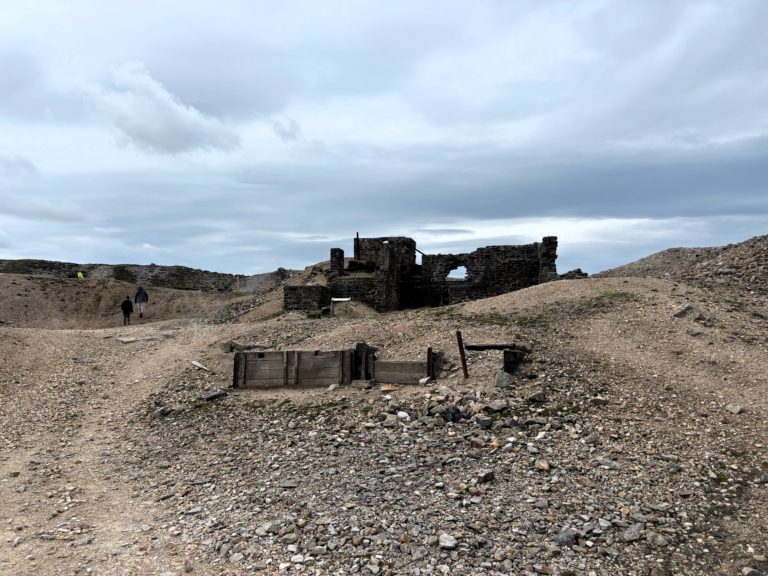
James and I were walking on Sunday and we found ourselves exploring the site of an old lead mine just above Grassington. We were not the only ones there, indeed our walk had been punctuated by ‘good mornings’ and smiles that happen frequently when you are in the wonderful Yorkshire outdoors. We had already had a joyful micro-conversation with a North York Moors volunteer who kindly held a gate open for us with a bit of showmanship.

But at this lead mine a mum and son were exploring the shale looking for ‘gems’ – which I only know because I asked! I could have walked past, but in a microsecond I chose not to, instead engaging them both in a conversation that they both willingly joined in. I think his mum appreciated that someone had shown an interest, and validated what her son and her were doing (and didn’t dismiss his ideas when he told me what he thought they had found). I also wasn’t offended when he didn’t want to show me what he had found (they were in his bag and it would be too much faff!). As the lad wandered off I suggested a place to his mum where I knew they could search for and get some info about stones and gems. in those few moments I had validated an activity, sated my curiosity and engaged in knowledge sharing. will I ever see those people again? I doubt it. Was it good for me? Absolutely.

I am not going to get into the north/south debate (divide) over who are the most spontaneously friendly or welcoming. Wherever I am in the world I will smile and engage (for the vast majority of time). And most often I will get a level of engagement back.

If anyone ever attempts to engage me, I will give a genuine and spontaneous response. Yes I do love it when someone comments on my hair, no I will never get bored of it. Yes, the phrase ‘nearly there’ when climbing up a steep hill spoken by someone either going down or overtaking me does irritate me somewhat-do I show it? Not to the person giving me encouragement! To them I will smile graciously, and attempt to receive it in the manner it is given. If my attempt at connection is ignored I take it as a reflection on where they are at that moment in time, not as a reflection on me!

Sometimes, when out walking and having a brief interaction with a fellow walker I might wonder if that is the only positive face to face interaction they have had in that day. I always hope not, but i also recognise that it might be the case, and so I do believe they matter. I believe that the connection and interaction with someone that I might only meet once in my lifetime is important, and the collection of these interactions add bright moments into my memory and knowledge of society and humanity. We do all remember those fellow humans who were kind, thoughtful, welcoming even if the interaction and conversation only lasted a few moments. Walking away with a smile is deeply powerful.


So, my last thought for you is this? how many meaningful micro-conversations are you going to have this summer? As throughout any given day there are so many opportunities to engage in a conversation. Whether it be the walker you pass, the person waiting at a bus stop, someone in a shop, that person who is in the same holiday location as you, a neighbour, or that person in a staff communal area or doorway that isn’t in your team. However long (or short) or deep (or superficial) your conversation is, you both will get something from it, and just like a smile, the benifits can longer than those few seconds (or minutes). Notice and accept them for or the bright spark they are. That is the power of a micro-conversation.

Purplemoon Monthly Musings -June-Playfulness Matters

Purplemoon Monthly Musing

Posted 26th June 2025

Reflecting on Reflective Practise- a Purplemoon Monthly Musing

Welcome to Purplemoon Monthly Musings.

On the final Wednesday of every month Jenny will be posting out about a theme that has been appearing in her work, or her life, across all sectors. It could be a topic that particularly resonates with you, or it might be a new concept or idea to you. Either way the aim is to give voice to some thoughts, ponder some questions and explore what this might mean to us as individuals and as a community. Jenny will always aim to credit original sources as she explores the musings title and will welcome your comments and contributions to keep the musing going! This blog is also published on LinkedIn. Follow Jenny here.

Playfulness Matters! As done Connection and Collaboration

This month, the musing is published whilst Jenny is on annual leave. (The power of scheduling!)

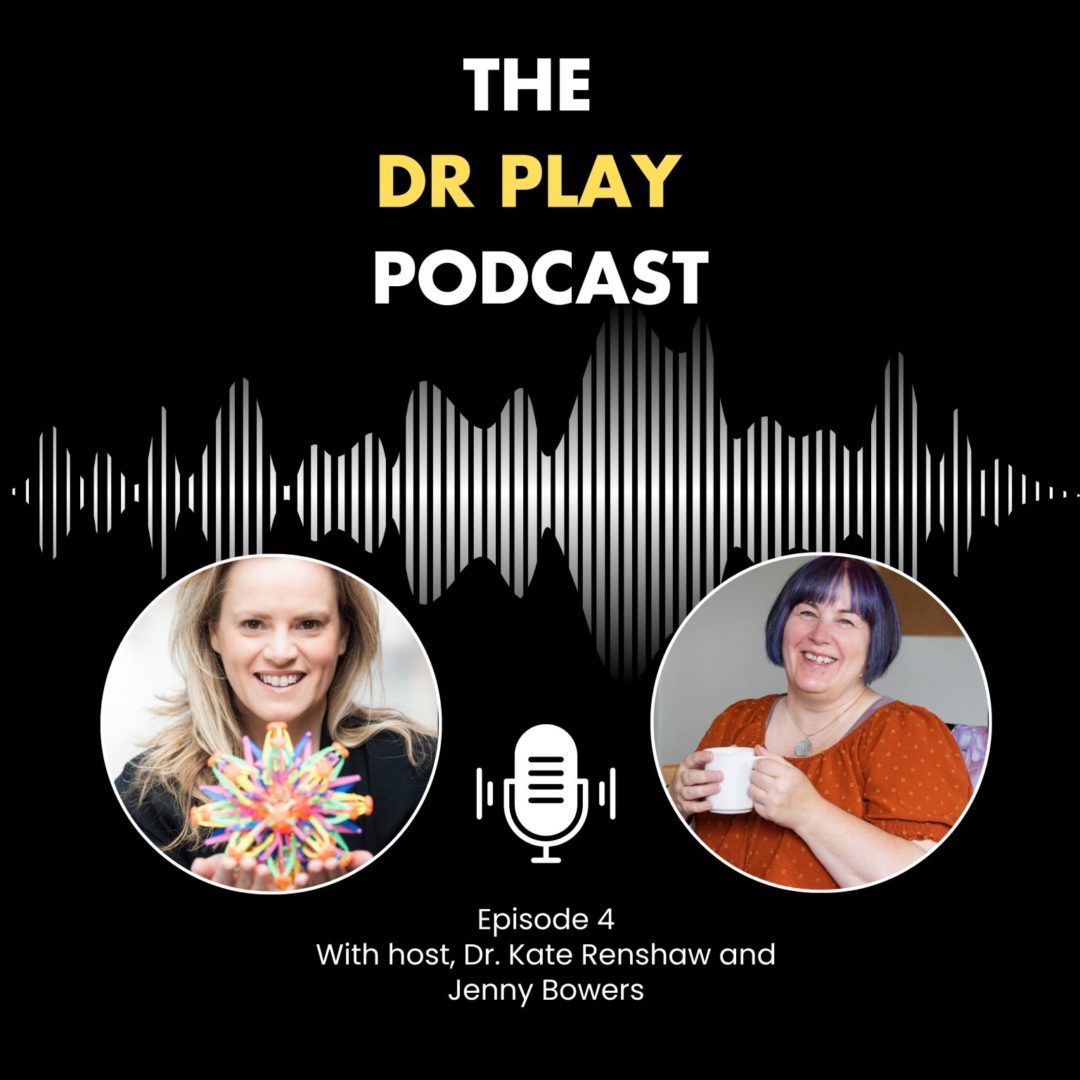
So, this month, the musing directs you to something that was published since the last musing, a podcast and a sub stack created by Dr Kate Renshaw. In it, we discuss how an innovative piece of work we did together in South Yorkshire altered the course of both of our careers, and how playfulness matters both for children, for adults, and in the supervision space. 

To get to the podcast please click on the image, and for the substack, please click here!

Enjoy

Purplemoon Monthly Musings – May -Reflecting on reflection

Purplemoon Monthly Musing

Posted 30th April 2025

Reflecting on Reflective Practise- a Purplemoon Monthly Musing

Welcome to Purplemoon Monthly Musings.

On the final Wednesday of every month Jenny will be posting out about a theme that has been appearing in her work, or her life, across all sectors. It could be a topic that particularly resonates with you, or it might be a new concept or idea to you. Either way the aim is to give voice to some thoughts, ponder some questions and explore what this might mean to us as individuals and as a community. Jenny will always aim to credit original sources as she explores the musings title and will welcome your comments and contributions to keep the musing going! This blog is also published on LinkedIn. Follow Jenny here.

I’m diving into a topic close to my heart—reflection.
But is reflection always a good thing?

You might assume that, as a supervisor and coach, I’m automatically pro-reflection. The short answer, as my short answers often go, is: it depends.

So, what does it depend on?

  • When reflection is happening
  • Where it’s taking place
  • How it’s being done
  • What the goal of the reflection is
  • Which method or “vehicle” is being used
3C3A1711-2

The Lens we use matters

3C3A1174

When I am in session with clients, I often notice a tendency to reflect utilising a critical lens. They are analysing what went wrong, what they “should have” done, and how to avoid mistakes in the future. While this can be useful, it often leads to rumination and self-criticism.

Instead, I invite clients to try a self-compassionate lens. What were the positives, even in a difficult situation? Can we accept that the outcome was shaped by context and circumstances? Can we consider what the emotions and energy were in that space, and from that accept how the outcome occurred? From there, we can explore what might be possible next time, and how to bring that about. This shift is often empowering.

Timings matter

Now let’s consider when reflection occurs. I find it interesting that for many people in situations that pose challenge or conflict the desire is to only have a reflection immediately after. For example, in a school where a child has become very dysregulated and the situation has spiralled into someone becoming hurt. Or in a role where a member of the community has become extremely abusive because they feel they are not being treated the way they should be treated.

 A debrief and check in is vital, in the immediacy of the incident, to ensure that everyone knows they are safe and if there is any key learning or follow up (possibly with other agencies or organisations) that needs to be put in place straight away. However, that is one type of reflection and is very narrow in focus. Who is leading that debrief/check in needs to be considered, are they someone with no emotional impact from the situation? Or if they were involved, what lens are they using, and what emotions and thoughts are they bringing into the space?

Productive and beneficial reflection will occur if there is time between this debrief and the reflection. Maybe 3-5 days. This reflection can be held in a group or with individuals and can indeed be done by a lone individual for themselves. For this reflection to be productive it is not a rerun of the debrief, it is considering what came out of the debrief, and has any thinking evolved? Have thoughts and feelings changed? Are there now things that can be explored about what preceded the situation, what followed the situation, as well as the situation itself? As time has given distance from it, there is the potential for greater depth to the reflection. Were there any successful strategies, any helpful help? Were the actions that came out of the debrief followed up? successful? Do different actions need to occur? Reflecting on reflection is deeply powerful when framed well.

Reflection as a regular practise, that takes practice

Reflection doesn’t need to be reserved for difficult moments. At the end of the week, reflecting on what you thought on Monday about Monday may give you something to consider about how you enter the next week, or give you a nudge to check in with someone or about something. It might help you understand why Tuesday and Wednesday went the way they did!. Going back over notes you made at a meeting or an event a month later, or even a year later, can spark a change in thinking for today and tomorrow.

Reflecting isnt something you can just do, for it to be productive and beneficial you need to give it time and energy. You need to learn what methodology is best for you, and you need to understand why it is occurring in the first place.

I am an advocate for the supervision and/or coaching space to enable and empower reflective thinking, but I am also aware this is not the only way to do it. Indeed, it is not the only place I utilise reflective thought. I do love a good walk, allowing  reflective thinking to germinate and grow out of my subconscious as I do so, then putting in under an imaginary microscope and considering what it might mean for me, and for those I work with.

For my journaling advocates out there, let me ask you this, do you go back and reflect on what is written? How many times and when? What do you do with these reflections? For the readers of many non-fiction books, how do you reflect on what you have read, when and how?

Let’s Reflect Together

So, will you now reflect on your way of reflecting?
I’d love to hear your thoughts. If you’d like to explore this further, let’s have a reflective conversation.

Purplemoon Monthly Musings – April – Never Enough Time

Purplemoon Monthly Musing

Posted 30th April 2025

There's never enough time!- an Purplemoon Monthly Musing

Welcome to Purplemoon Monthly Musings.

On the final Wednesday of every month Jenny will be posting out about a theme that has been appearing in her work, or her life, across all sectors. It could be a topic that particularly resonates with you, or it might be a new concept or idea to you. Either way the aim is to give voice to some thoughts, ponder some questions and explore what this might mean to us as individuals and as a community. Jenny will always aim to credit original sources as she explores the musings title and will welcome your comments and contributions to keep the musing going! This blog is also published on LinkedIn. Follow Jenny here.

Have you ever said 'there isn't enough time, or that 'there is no time for 'it'?'

these phrases are particularly used when it comes to wellbeing/self care/fun activities.  I know that it is a phrase that I have used myself, and it is still present as a thought that can pop up regularly. When I hear this phrase muttered there are two responses that I usually utilise (the first usually when it is a specific task or activity, the second when it is a generalised response):

  1. Not enough time to complete it? Start it? Or do it to the standard you want to?
  2. Is it really a time issue or a workload, expectation, overwhelmed issue?

The reality that most human beings grapple with is that time is finite. It just is rigid and relentless in its passing. Time is not something we can change. However, what I have come to realise, and what I give space to others to explore is, we can change our relationship with time. So can we utilise it better?

The key to consider is; are we are using time ‘management’ as an excuse to not do things. Or do we see it as a more acceptable reason to give than ”I am overwhelmed” or ”I don’t know where/how to start.”

Queen Mañana

3C3A1203

I am a queen of procrastination, to the point that my parents would often use ‘mañana’ as a nickname for me. What I realised is that I didn’t like starting anything unless I knew I had time to complete it. So not starting the task meant that that I could use my time (today) for something else and that task would be done in the future. Of course it isn’t the best strategy to have, especially when you are working and have deadlines and people counting on you to get things done so they can do their work! So now I consider larger tasks as sequences of mini tasks and experience success of the completion of stages, and plan through what is done today, by the end of the week, and so on. This may mean that different projects, reports, plans are all at different stages, and many are unfinished, but they are being done!


Measuring Time

Time is also hard for humans to measure, so although we understand that a minute is 60 seconds, and always will be 60 seconds, we experience time in different ways depending on what we are doing. With the pull of the internet and the ability to go down virtual rabbit holes and explore so many tangents and possibilities we can lose track of time. We have so much ‘research’ and ‘evidence’ and ‘experiences’ at our fingertips it has become so hard to be disciplined in what data or evidence to use as so many tangents can be fascinating time hoovers. So before you know it the afternoon is gone! We also sometime have unrealistic expectation of what we can achieve in 10 minutes, 30 minutes etc. I am sure that everyone has experienced saying ‘give me 5 minutes’ to a family member or colleague. Or ‘Yep, I can do that, it’ll only take me 30 minutes’.

The reality is sometimes it really will take longer! This might be because you want to operate at a very high (perfectionist) standard. sometimes it is because you are being constantly distracted by others (or yourself) or sometimes it is because it is more complicated/time consuming that you thought.

We also can get caught in a loop. Sometimes we think something is done, but we get a query, or a response. Or in completing one activity (say a meeting) more work/actions are created and this then all takes time, so is the task completed or not? This is where overwhelm can really kick in; the thought of ‘there’s just not enough time.’

So What Can You Do?

  • Know which tasks need your undivided attention, and potentially which need high energy levels, and consider first when in the day/week you are going to do them (and plan it in) and also consider where you are going to do them. – where is interesting, as it also might me where in the day – so if you are in a shared office, when will you be there on your own? Or do you need to take yourself elsewhere?
  • Be prepared in busy seasons to spend less time on making reports/articles look pretty! Accept that good enough is good enough- and know what this is! Does what you have done do the minimum requirements? If it does, then it is complete, move on. This is about the wise use of time.
  • Be realistic, use the knowledge you have gained from experience – if you have a meeting and you know there will be actions for you/follow up, then plan these in to your time. Block out time pre and post meeting for prep and follow up. Do this for all meetings. Some will require less- this is where your experience counts. If you have a task to complete that requires research, or talking to people or gathering evidence, block this out too! Task prep into the plan first, and then task doing.
  • Even when we are experienced, we can still be a novice, and so some tasks need learning, so they will take longer! Remember that the first time of doing, more time will be needed. You will get quicker as you get experienced! (I will be returning to novice/expert a few times in the monthly musings, it resonates in so many places).


I appreciate this musing may be a rabbit hole that you have scurried down, but hopefully it has been a worthwhile use of your time! I will now conclude the musing, so you can utilise your next unit of time to reflect and muse yourself. Is there anything you will consider, try out or do differently now?

Who likes a podcast?

Over the last year I have been lucky enough to be interviewed on not one, but two podcasts! I am not generally someone who listens to podcasts, I prefer to listen to music and then watch interviews, but when I was asked by Mike and Arthur from TandTeaching I just couldn’t say no! They are two lovely people and it was so friendly and really just like chatting in a staff room with a cuppa! Despite being interviewed back in October, I am really proud that Mike and Art keep letting me know that my podcast is in their top 5 most listened to. And that makes me very proud, as there are some amazing and fabulous people who they have interviewed! You can find TandTeaching here on Spotify, but they are available pretty much wherever people listen!

Back in March I was then interviewed by Alison from Above and Beyond Education, for her #FlyingHigh podcast, where she talks to people about what brings them #Joy! What a great subject, and so I got to talk about, not only what I love doing, but also what is bringing me so much joy at the moment. (Which is being part of 365SEND).

I am now thinking about other podcasts or video chats I could do, I wonder if this is a new strand for the Purplemoon Website?

Leadership Horizons, the power of being outdoors

Leadership Horizons, the power of being outdoors

Posted on July 20, 2021

What do you get when you add a group of open-minded coaches, expert facilitators, the lake district and about 6 hours of time?

The answer is the feeling of being part of a something special, a lifting of soul and clarity of direction!

But first a bit of background:

I may have started my coaching journey many years ago, but in 2017 I met the truly outstanding Dr Paul Simmons as a new head in Oldham. The LA had teamed up with him (www.independentcoaching.org) to produce a program of support for new heads, and I embraced the coaching part of this wholeheartedly, finally a coaching method secure in theory, ethics and with a strong structure to work within. I then moved to the part two, whilst also sending my leadership team on part one, used the structure in my performance management meetings with staff and our senior leadership team meetings and progressed to part three.

When I left my headship in 2020, I was in contact with Paul as I considered the next stage of my journey. With sound advice and his support I ensured I completed part three, joined the executive coaching, added accredited supervision to my portfolio (my absolute passion for wellbeing) and embarked on my current chapter as Purplemoon.

Leadership Horizons Pilot

Paul, and his wife Marian, had been considering a day of coaching for coaches embedded in nature for a while. Nature and being outside as positive wellbeing factors have been a big identified as a feature of the pandemic Lockdowns and so when he approached me to ask if I would be interested in participating in a pilot day about coaching ‘in-situ’ in the lake district I jumped at the chance. As did nine others!

We gathered (socially distanced!) between 9-9:30 in a lovely room that was part of the University of Cumbria. We discussed what had brought us there, the theory and practice behind leadership coaching, and thought about

we then set off into the countryside, four of us opting for a shorter walk and then a sit in pleasant surrounds, and six opting for a longer walk and talk. (yes, I was in the walk and sit group!) we paired up, we coached, we came together for a packed lunch and chat, we changed locations and coached again in our pairs. We then met up as a whole group again to reflect on the day-our individual thoughts and learning, and our thoughts and learning as a group. We then drifted back home around 3pm, after all agreeing that it had been a remarkable day.

Remarkable Day Reflections

Whenever I have attended coaching sessions facilitated by Paul I have felt invigorated, have got clarity of next steps and also learnt more about being a coach. This day was no exception, however this day held something more, something deeper and we all felt it.

One phrase that has stayed with me is the difference between ‘feeling knowledge’ and the ‘knowing knowledge’, I know that being in nature is powerful and positive, but after this day I also truly felt it enhance and deepen the coaching experience. There was synergy between the heart and the head in a different way at the end of the sessions. What brought this about?

  1. Being outside brought different energy, it was more tranquil, less hasty or pressured- I also enjoyed not having to be in constant eye contact as I sat next to my coach rather than opposite across a desk/table. I fiddled with grass and flowers around me (as did she) and did not feel self-conscious about fiddling. Pauses were natural and mindful and invited further thoughts and discussion.
  2. I love working in metaphor and using the vista around me to describe my reality and my ideal, and work out how to get to that horizon, really helped both me and my coaching partner to depersonalise the issue/thoughts, describe them with rich language and give greater weight to our thinking. Whilst also being an aide memoir for the coach so more cognitive space could be given to support rather than remembering or note taking.
  3. Overall it felt very embryonic but also retained the structures and methods we all were so familiar with. Nothing was forced and for me there was less pressure as I felt unconstrained by time and the physical presence of work/workplace. I found the walking part as the nice bit of small talk, the shedding off of my ‘to-do’ list or my anxieties, frustrations or woes as I enjoyed the physicality of walking uphill and the taking in of the sights and sounds. When we sat, we paused and truly let go as we established our anchor for coaching in the surroundings, and then we delved deeper into the near, middle and far horizons.

Would I do it again? Absolutely! Am I looking into how I can incorporate this into my practise as a coach and supervision, oh yes!

Would it have been different if it had rained? Maybe, although we all gelt that some light drizzle wouldn’t have stopped us, a storm would have given us a different vista and energy, but there was always the safety of the building!